
Search visibility
AEO, GEO, and SEO: optimising when AI answers first
What the three acronyms mean, why AI-powered search tools change which content gets cited, and what B2B teams need to do now.

Three acronyms, one distribution shift
SEO, AEO, and GEO are the same problem at different scales.
**SEO** (Search Engine Optimization) is the baseline: making your content crawlable, indexable, and relevant for search queries on Google and Bing.
**AEO** (Answer Engine Optimization) is SEO adapted for direct-answer formats: featured snippets, People Also Ask, Knowledge Panels, and voice assistants. The goal is to be the source that search engines pull from when they give an instant answer, not just a blue link.
**GEO** (Generative Engine Optimization) is the newest layer: optimising to be cited in AI-generated summaries produced by tools like Google AI Overviews, Perplexity, ChatGPT Search, and Bing Copilot. These tools compose answers from multiple sources; GEO is about being one of those sources.
All three build on the same technical foundation. A site that cannot be crawled cannot be cited. The difference is in how content is structured and how authority is established.
Why this matters now
AI search is changing where qualified traffic originates.
Google AI Overviews
AI-generated summaries now appear at the top of a significant share of Google searches. They cite sources but intercept the click. Being cited without a click still builds authority and brand recall with decision-makers.

Perplexity and ChatGPT Search
Buyers increasingly use AI tools to research before visiting any website. Being cited as a source in these tools positions your firm as an authority before the buyer arrives at your site.

Bing Copilot
Microsoft has woven generative AI into Bing at scale. B2B buyers using Microsoft 365 environments encounter Copilot-powered search daily. Bing indexation and authority matter more than they did.
Voice and assistant queries
Voice search and device assistants depend almost entirely on structured, answer-formatted content. A single clear answer to a specific question outperforms a long page that buries the response.
Zero-click research
A growing share of B2B research happens without any click to a website. Showing up in zero-click contexts still shapes buyer perception and shortlist decisions, even without a direct session.
Entity-based ranking
AI search tools build entity graphs: connected webs of topics, companies, and concepts. Consistent topical authority across your site, schema markup, and external citations all feed this graph.
What stays the same
Technical foundations do not change. Execution priorities do.
Every AEO and GEO recommendation builds on technical SEO that should already be in place: clean crawlability, proper indexation, fast load times, and correct canonical structure.
If Google cannot crawl and index your pages reliably, no amount of schema markup or answer-formatted content will appear in AI Overviews. The hierarchy is: crawl → index → rank → cite.
Authority still matters. AI tools cite sources that have established topical authority: consistent coverage of a subject area, external links from relevant domains, and structured information that maps clearly to a topic. This is what link-building and content depth have always been building toward.
If your technical SEO foundations are not solid, fix those first. AEO and GEO add value on top of a working baseline, not in place of one.
What changes in practice
Six things that actually shift when you optimise for AI search.
✓
Content structure: pages need clear, self-contained answers to specific questions, not long generic overviews.
✓
Schema markup: FAQ, HowTo, Article, Organization, and Product schemas are read by AI crawlers to understand content structure.
✓
Question-first headings: H2 and H3 headings structured as questions match how AI tools interpret content intent.
✓
Concise answer paragraphs: the first 40 to 60 words after a question heading are often the ones extracted for AI summaries.
✓
Topical depth over breadth: a site that covers a subject area thoroughly from multiple angles is more citable than a site with thin coverage of many subjects.
✓
Citation hygiene: consistent brand name, domain, and NAP signals across external sources feed entity recognition.
Where to start
Highest-leverage moves for B2B teams in the EU.
Audit your technical baseline
Before any GEO or AEO work, verify that crawl coverage, indexation, and page speed are solid. Use Search Console to identify what Google is and is not indexing.
Add FAQ schema to key pages
Commercial pages with FAQ sections and FAQ schema markup have higher rates of appearing in AI Overviews and People Also Ask. These are the easiest wins to ship.
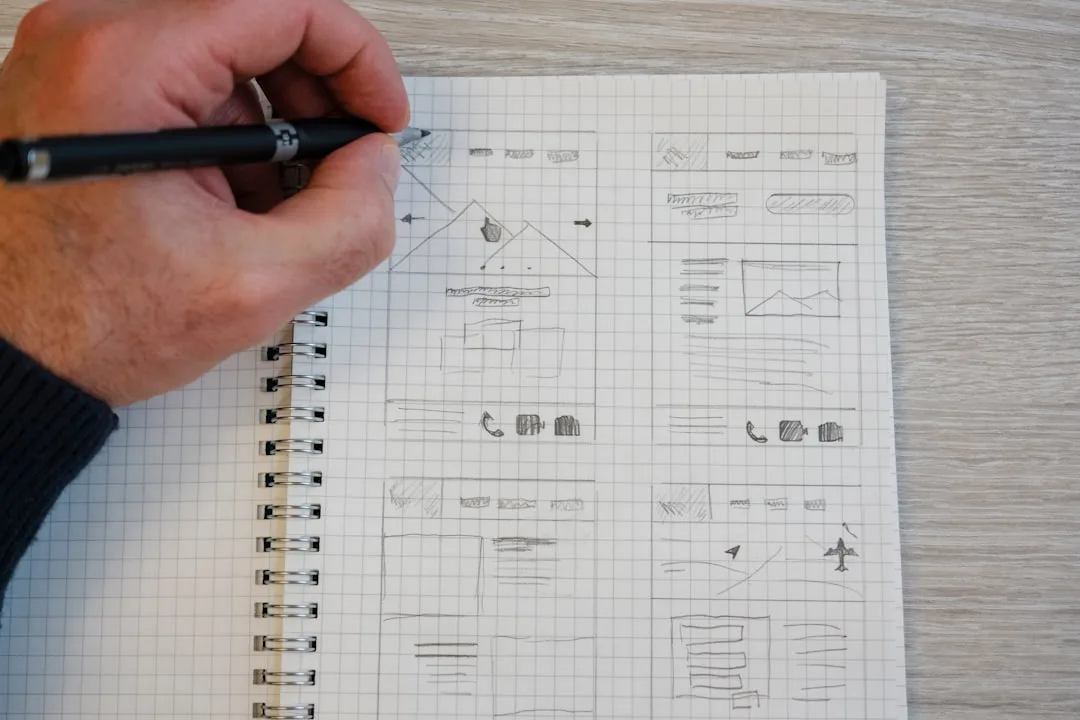
Restructure your most important pages
Take your five highest-traffic commercial pages and restructure them around questions your buyers actually ask. Clear H2 questions, concise opening answers, supporting detail below.
Build topical depth on your core subject
Pick the one or two topics your firm should own. Create a cluster of pages that cover that topic from multiple angles: guides, case studies, FAQ articles, and pillar pages that link to each other.
Implementation sequence
A practical order of operations for most B2B teams.
✓
Fix any technical crawl and indexation issues first (Search Console + site audit).
✓
Add Organization schema to all pages and Article schema to blog and insight content.
✓
Add FAQ schema to your commercial pillar pages and service pages.
✓
Rewrite H2 headings on your most important pages as questions buyers actually ask.
✓
Write or rewrite the first paragraph of each commercial page to answer the most likely query in under 60 words.
✓
Build one topic cluster of at least four to six pages around your primary service or subject area.
✓
Establish consistent external citations: press mentions, directory listings, and partner pages that name your company and domain.
✓
Monitor AI Overviews for your key terms using a browser in incognito mode or a dedicated SERP monitoring tool.
Concrete solution
Bring the operational risk.You get a clear diagnosis and a concrete next step.
We are the right fit if you want a team that pushes back when it matters.
Reviewing first?
Company evidenceon the site.
Engagements with commercial outcomes on Work. Team bios and operating model on About. Nothing to download. Review it before you commit to a call. Open to review. Commit when ready.