01 · Coverage
WordPress core, plugin, and theme updates
Updates are staged, tested, and documented before production release. WordPress maintenance with release discipline, every change traceable.
We maintain WordPress, ecommerce, and business-critical websites with staged updates tested before production, rollback-ready releases, performance monitoring, and support that understands the system before something breaks.
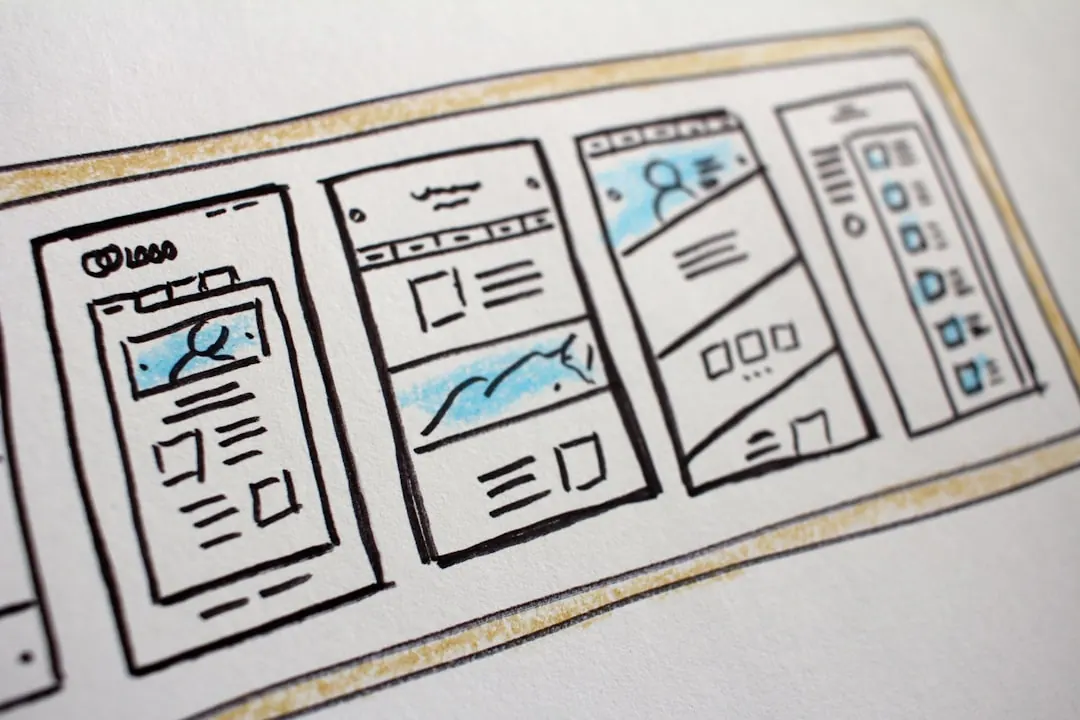
Most website maintenance plans focus on update tasks, backup tools, and support tickets. That model can work for low-risk brochure sites, but it breaks under real operational pressure.
Some Tech Work runs maintenance as production operations: staging-first release discipline, documented rollback readiness, continuous monitoring, and engineering judgment during incidents.
That is the difference between generic website support and accountable operations for a business-critical website.
| Generic maintenance plan | Some Tech Work maintenance |
|---|---|
| Plugin updates | Staged updates |
| Backup plugin | Rollback-ready releases |
| Ticket queue | <1h critical response on On-call plan |
| Monthly report | Performance and security monitoring |
| Reactive fixes | Rollback-ready incident response |
| Unknown engineer | Small controlled improvements |
| No pattern review | Strategic review when patterns appear |
Website maintenance covers more than plugin updates. For business-critical websites, it includes uptime, security, performance, backups, release testing, incident response, and controlled change work.
Updates are staged, tested, and documented before production release. WordPress maintenance with release discipline, every change traceable.
Known vulnerabilities are assessed, prioritized, and patched with a tested path to production. Security updates are handled with urgency and context.
Monitoring tracks uptime, errors, and service behavior continuously. Incidents are escalated with defined response windows by plan.
Backups are validated and rollback paths are documented before risky changes. Recovery paths are planned before you need them.
Maintenance work is tested in staging first, including dependencies and key flows. Production releases follow controlled deployment steps.
We track load behavior and key speed indicators so changes do not quietly degrade user experience. See our website performance monitoring approach.
Editor workflows, governance rules, and handover training are documented so teams can ship routine changes without introducing release risk.

Reports cover incidents, updates, performance patterns, and upcoming risks. Recommendations focus on risk reduction and practical gains.
Uptime monitoring, anomaly detection, and performance regression alerts before small issues become business problems.
WordPress core, plugin, and theme updates run through staging before production. Known vulnerabilities are tracked, tested, and handled.
Maintenance without rollback is gambling. Releases are documented with recovery paths before production changes are made.
Updates and changes are tested in staging first, with production releases treated as controlled deployments.
Your ongoing plan is handled by someone who understands the stack, edge cases, and release history.
Copy updates, content changes, minor UX improvements, and low-risk feature work happen without bypassing release discipline.
This is an owned maintenance engagement with release discipline, security judgment, and fast response when something breaks.
If you only need someone to click update all once a month, we are probably too much.
This service is for teams that need release discipline, security awareness, and fast technical judgment when something breaks.
If your team needs this operating model, start with a request a maintenance audit.
All tiers include a staging environment, documented change log, response windows, update cadence, and reporting.
Generic maintenance minimizes task cost. Premium maintenance reduces operational risk.
Engineering judgment costs more than anonymous queues. It is faster and more reliable during incidents.
Staging and rollback take more time. They prevent expensive production failures.
Performance monitoring and security updates require engineering judgment alongside the right tooling.
Maintenance works best when aligned with WordPress consulting and implementation for architecture and release quality.
Ongoing exposure control requires website security hardening and clear patching workflow.
Reliability includes speed. We apply website performance monitoring to catch regressions early.
Organic visibility and speed are connected through technical SEO and performance.
Support should protect business outcomes through conversion-focused website improvements.
See the operating context in our selected work for Vegconomist and Leverage Edu.
Weekly, monthly, and quarterly maintenance tasks before small issues become incidents.
How vulnerabilities appear, why updates need testing, and what safe patching looks like.
Why production should not be the place where updates are tested.
How to stop websites getting slower after launch.
Plan tiers, price ranges, patch SLAs, and what to compare before signing.
Yes. WordPress maintenance is a core part of this service, including core, plugin, and theme updates, staged testing, security updates, and incident response.
No. We support WordPress, headless builds, ecommerce systems, and other business-critical websites where reliability and response speed matter.
Yes. Staging is part of the process. Updates are tested before release to production, with checks on critical flows and a documented rollback path.
Yes. Backups and rollback readiness are included. Recovery paths are documented as part of release discipline from the start.
Yes. We provide emergency website support with response windows defined by plan. On the On-call plan, critical first response targets under one hour.
Yes. Maintenance includes performance monitoring and targeted remediation work when regressions appear. Serious website support includes speed as an operating concern.
Yes. Controlled change capacity is built into plans so copy, UX, and minor technical updates can ship safely through staging.
Yes, for teams where WooCommerce failures affect orders, operations, or customer trust. The approach is risk-led and release-disciplined.
Cheap maintenance plans optimize for task volume. We optimize for operational risk reduction with staged updates, rollback readiness, and incident accountability.
Every plan is led by someone who understands your stack and release history. You are not routed through a generic ticket queue.
Ready to stabilize your support model? Request a maintenance audit.
Not sure where to start? Send the page, workflow, or backlog causing the problem. We will tell you whether it needs a scope call, a short diagnostic, or a different first step.