Website decisions
WordPress or headless CMS?
Control, speed, editorial experience, and cost compared. The honest answer for B2B teams deciding how to run their next website.

TL;DR
- WordPress is faster to launch and cheaper initially. A headless CMS gives more performance and flexibility but costs more to build and maintain.
- For most B2B marketing sites with a small content team, WordPress with a good theme and plugin discipline is still the right answer.
- Headless earns its cost when page speed is a commercial priority, the frontend team already works in React or Next.js, or content feeds multiple surfaces (web, app, email).
- The performance gap between a well-maintained WordPress site and a headless one is smaller than most developers claim and larger than most marketers assume.
- Read more about how we approach website design and build for B2B companies.
What the two models mean
The choice is about where <em>rendering</em> happens and who controls it.
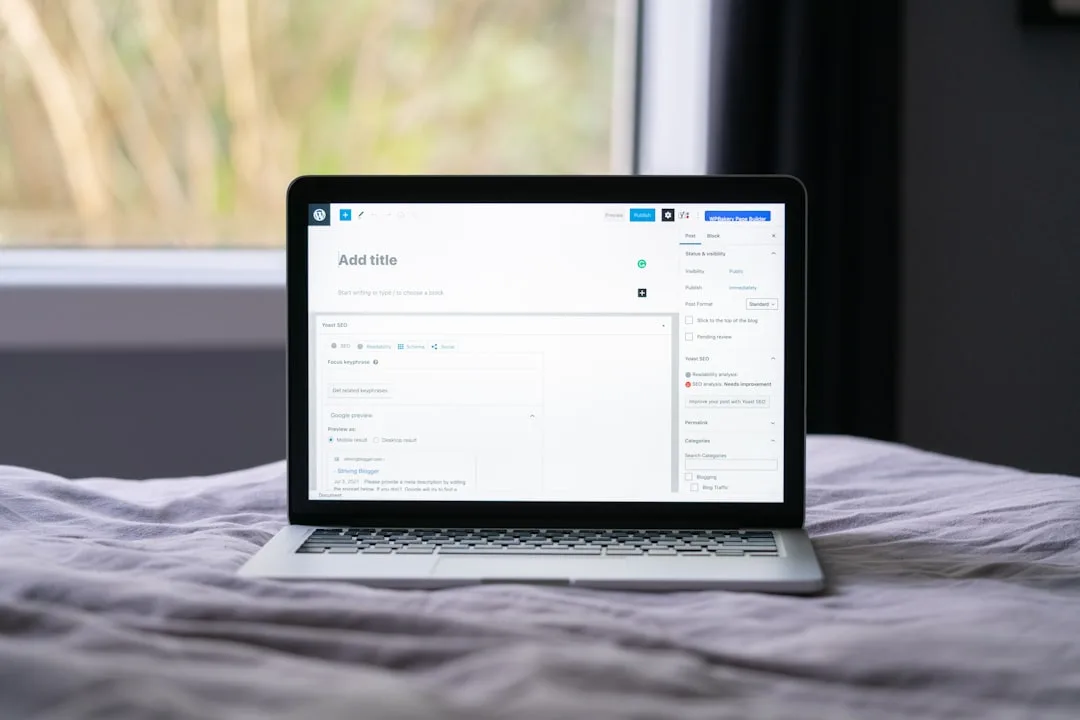
WordPress is a coupled CMS: the system that stores content also generates the HTML that browsers receive. The editing interface, the theme layer, and the delivery mechanism are bundled together. That coupling is what makes WordPress fast to deploy and easy for non-technical editors. It is also what limits performance and creates the plugin debt that most WordPress sites accumulate.
**A headless CMS decouples content storage from presentation.** An editor works in a purpose-built interface (Contentful, Sanity, Storyblok, or similar) and the frontend is a separate application, typically built in Next.js or another React framework, that fetches content via API. This means the frontend can be statically generated, globally distributed via a CDN, and completely controlled by the development team.
The practical difference for a B2B company: WordPress ships faster, costs less in year one, and is editable by anyone with basic computer literacy. A headless setup gives you measurable performance gains, tighter frontend control, and a more maintainable codebase, but requires more specialist development time to build and operate.
Side-by-side comparison
The key dimensions for a B2B marketing site.
| Dimension | WordPress | Headless CMS |
|---|---|---|
| Initial build cost | €8k–€25k (theme + config) | €20k–€60k (custom frontend) |
| Ongoing maintenance | €500–€2,000/month | €1,000–€3,500/month |
| Page speed (typical) | Good with caching; varies widely | Excellent; statically generated |
| Editorial UX | Familiar, widely understood | Purpose-built; steeper learning curve |
| Frontend control | Limited by theme/plugin system | Complete control of HTML/CSS/JS |
| Plugin dependency | High; can become a liability | Low; logic lives in the codebase |
| Content reuse | Limited to the website | Feed web, app, email, docs |
| Time to launch | 4–10 weeks | 10–20 weeks |
| Best fit | Small content team, fast launch needed | Performance-critical, multi-surface, developer-led |
When each fits
The right choice depends on your team, not the technology trend.
01
Choose WordPress when launch speed and editor familiarity matter most
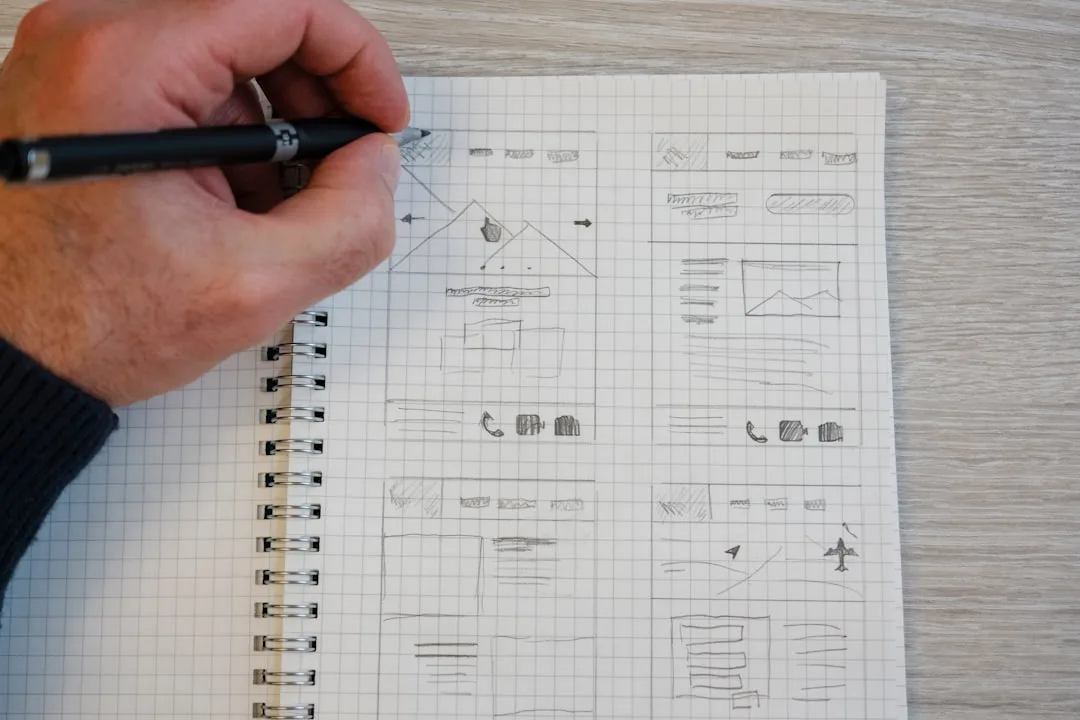
Your marketing team needs to publish without a developer on call. Your budget is under €25k. You need to be live in under ten weeks. WordPress with a well-maintained theme and disciplined plugin selection will serve you well. The key is ongoing maintenance discipline: updates, backups, and security monitoring every month, not annually.
02
Choose headless when performance is a revenue variable
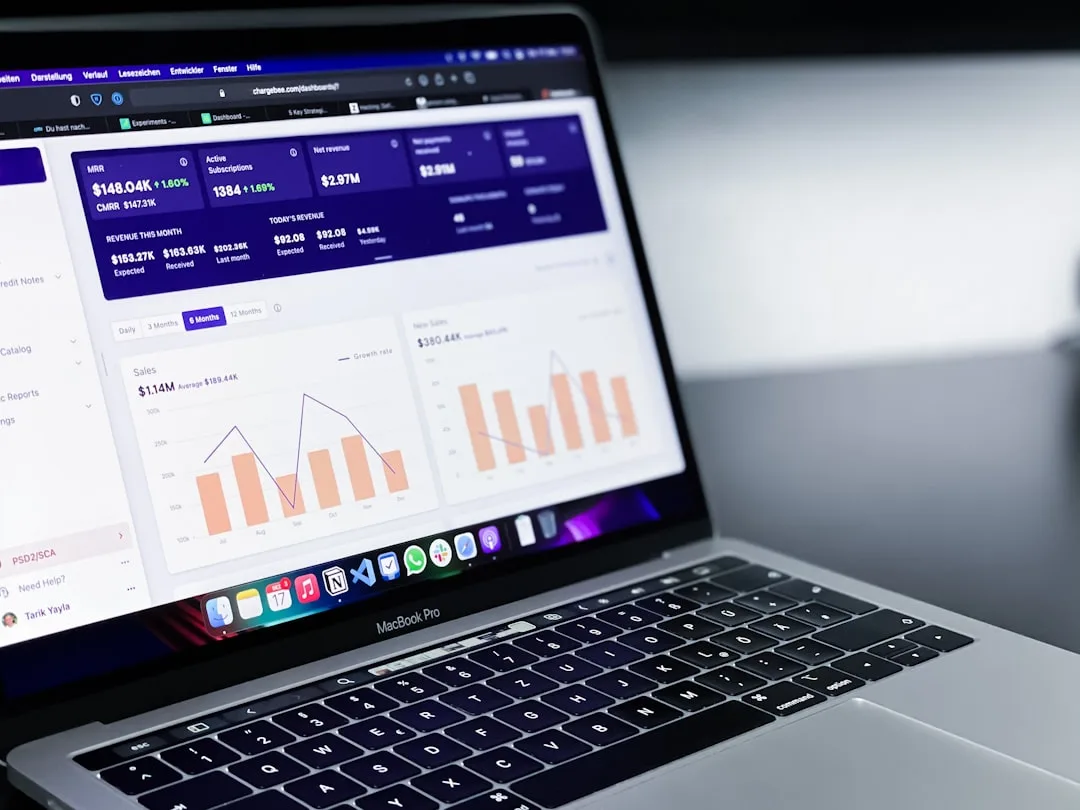
If your site is a lead generation engine and a one-second delay costs you 7% in conversions, the performance difference between a cached WordPress site and a statically generated headless site is meaningful money. Headless also makes sense if you have a frontend team already working in React, or if the same content needs to appear on the website, in an app, and in automated email campaigns.

03
Consider a hybrid before committing to either extreme
WordPress as a headless CMS, serving content via its REST API or GraphQL to a Next.js frontend, gives you the editorial familiarity of WordPress with better frontend control and performance. It is a reasonable middle position for teams with a small content team but a developer who prefers working outside the WordPress theme layer.
Common questions
What B2B teams ask before making this decision.
Is WordPress good enough for a B2B marketing site in 2026?
Yes, for most companies. The majority of B2B marketing sites need content publishing, decent performance, and a manageable maintenance overhead. WordPress with disciplined plugin selection, a well-configured caching layer, and monthly maintenance meets those needs. The cases where it falls short are high-traffic performance requirements, developer-controlled frontends, or content that needs to appear across multiple surfaces.
How much faster is a headless site than WordPress?
A statically generated headless site typically scores 90+ on Core Web Vitals. A well-configured WordPress site with a caching plugin and CDN can score 70 to 85. The gap matters most on mobile and in markets with slower connections. For a low-traffic B2B site, the real-world revenue difference is usually small. For a conversion-focused site with significant paid traffic, it can be material.
What does a headless CMS cost to maintain?
Typically €1,000 to €3,500 per month for a B2B site, including hosting, the CMS subscription (most headless platforms charge €100 to €500 per month on a business plan), developer time for content model changes, and dependency updates. Compare this to WordPress at €500 to €2,000 per month including hosting, plugin licenses, and maintenance.
Which headless CMS should I use?
Sanity and Storyblok are strong choices for B2B sites: both have good editorial UX, flexible content modelling, and active ecosystems. Contentful is robust for large teams but pricier at scale. Directus is a good open-source option if you want to self-host. The right choice depends on your content team size, developer preference, and budget more than technical merit.
Can I migrate from WordPress to headless later?
Yes, but it is a meaningful project, not a plugin. Expect a full frontend rebuild (€15k to €40k depending on size) plus content migration work. If you know you will want headless performance within two to three years, building headless from the start is usually cheaper than a migration. If you are not sure, start with WordPress and migrate when the performance or maintenance cost becomes a real problem.
How we approach this at SomeTech.work
We start from your team size and traffic, not the technology preference.
Most clients who ask this question have already read a developer blog post that says headless is always better. Our first question is: who updates the content, how often, and what happens if a developer is not available? The answer usually tells us more than any benchmark. We scope website design and build projects from the editorial workflow backward, not from the technology forward.
For teams that genuinely need headless performance, we typically build in Next.js with Sanity or Storyblok. For teams that need to launch quickly and maintain independently, we build in WordPress with a configuration that minimises plugin risk. Either way, we document the maintenance requirements before the project starts, not after.
Concrete solution
Bring the operational risk.You get a clear diagnosis and a concrete next step.
We are the right fit if you want a team that pushes back when it matters. See outcomes and metrics →
Reviewing first?
Company evidenceon the site.
Engagements with commercial outcomes on Work. Team bios and operating model on About. Nothing to download. Review it before you commit to a call. Open to review. Commit when ready.